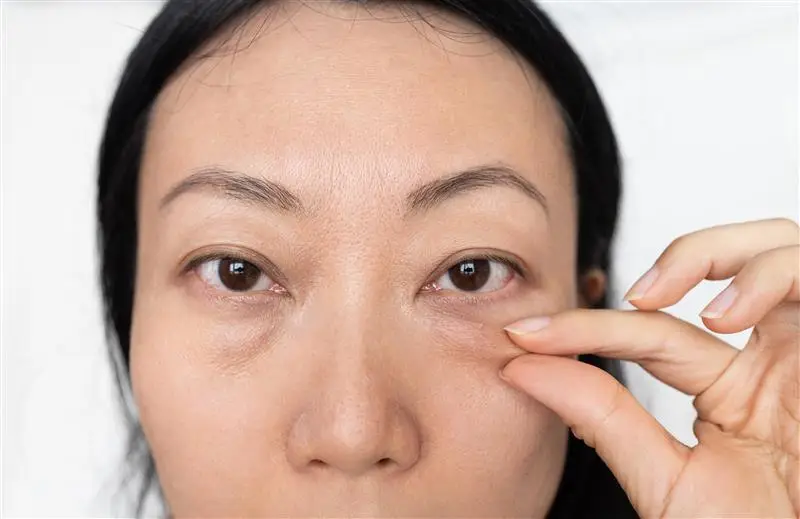
What can Eye Bags reveal about your health?
13 Sep 2026


doctor-image-202507185103425.webp)
Writer
Dr.Jirach Jatechayanon (MD,MSc)
History
- Bachelor of Medicine, Faculty of Medicine, Rangsit University
- Board Certification in Ophthalmology, Faculty of Medicine, Khon Kaen University
- Certificate of Advanced training in double eyelid surgery under the guidance of a Dr. Cheangariyavong, Facial Plastic and Reconstructive Surgeon
- Certificate of Advanced training in double eyelid surgery through the International Fellowship in Advanced Aesthetic Science program (IFAAS), South Korea
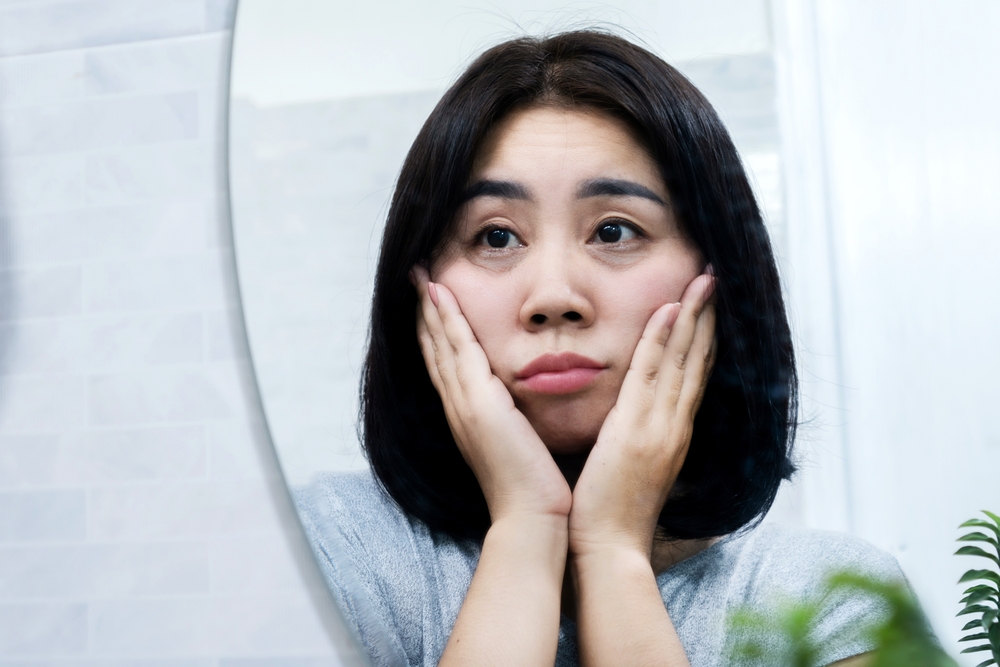
What can Eye bags reveal about your health?
When noticing puffy eye bags, many people wonder what causes them. But did you know that beyond common factors like aging and lifestyle habits, under-eye bags can also reflect underlying health conditions? Changes around the eyes may serve as important warning signs of diseases that should not be overlooked.
Eyes bags sign of Kidney disease
Eye Bags may be an early sign of kidney disease. Especially when swelling is clearly noticeable in the morning and occurs regularly. Such symptoms could indicate the beginning of kidney disease.
1.Characteristics of Under-Eye Bags related to Kidney Disease
- Symmetrical swelling : Notice how both eyes are equally swollen, not tilted to one side. This is caused by generalized edema, which occurs due to the kidneys' reduced ability to filter and eliminate water.
- Severe morning swelling : While lying flat, accumulated fluid is distributed throughout the skin and tissues under the eyes. Therefore, swelling is most noticeable upon waking in the morning, as the accumulated fluid has not yet been circulated.
- Eye bags without discoloration : Periorbital puffiness associated with kidney disease results from fluid accumulation within the subcutaneous tissue spaces. Unlike swelling caused by inflammation or infection, this type of edema is not accompanied by redness or dark discoloration, which are commonly seen in cases of inflammatory or allergic reactions.
- Pitting edema : The swelling is characterized by fluid retention within the interstitial tissue spaces, which softens the underlying tissue often around the legs and ankles area. When pressure is applied with a finger, a temporary indentation remains, as the displaced fluid does not immediately return to its original position due to impaired renal function.
Associated Symptoms in individuals at risk of Kidney Disease
- Decrease urine output or urine appears excessively foamy, suggesting abnormal protein excretion.
- Edema in other areas of the body, such as the shins, ankles, or face.
- Fatigue or easy exhaustion throughout the day, even without significant physical exertion.
Progressively elevated blood pressure without an identifiable cause.
Under-Eye Bags as an indicator of Heart Disease
Periorbital puffiness can also be a sign of underlying heart disease, with characteristics and timing distinct from those associated with kidney-related edema.
Characteristics of Under-Eye Bags related to Heart Disease
- Worsening swelling in the evening : Due to reduced cardiac efficiency, blood and fluid circulation become impaired. As a result, swelling tends to be more pronounced in the evening.
- Swelling after physical activity : Poor blood circulation and fluid retention can result in under eye puffiness following intense exercise or long-distance travel.
- Discoloration around the lower eyelids : Dilated superficial vessels may appear as a bluish or purplish discoloration beneath the eyes where the skin is thinnest.
Associated symptoms in Individuals at risk of Heart Disease
- Feeling breathless when lying down or needing to sit up to breathe.
- Fluttering or irregular heartbeat.
- Getting tired easily even during simple activities.
- A feeling of pressure, heaviness, or sharp pain in the center of the chest.
Under-Eye Bags as an indicator of Allergic Conditions
Individuals who experience intermittent eyelid puffiness particularly in the morning, during weather changes, or when exposed to dust, these symptoms may represent allergy-related eye bags. Allergic reactions can often manifest visibly around the eyelids, making the eyes a clear site for clinical signs.
Characteristics of Allergy-Related Under-Eye Bags
- Swelling and itching around the eyes : This is usually most noticeable near the inner corners and under the eyes.
- Redness and tearing : Eye allergies can irritate the conjunctiva and eyelid skin, making the eyes red, irritated, and watery. The tearing helps flush out allergens naturally.
- Swelling that comes and goes : Puffiness often appears shortly after exposure to allergens and improves once the trigger is avoided or after taking antihistamines.
- Dryness and flaky skin : Rubbing itchy eyes can damage the delicate skin barrier, leading to dryness, redness, and flakiness. Over time, this irritation can make the area look even puffier or tired.
- “Allergic shiner” (dark circles under the eyes) : Long standing eye allergies can cause poor blood circulation to the under eye, creating dark pigmented circles known as allergic shiners. This gives the appearance of fatigue or under-eye discoloration even when swelling is mild.
Associated symptoms in individuals with risk of Allergic Conditions
- Stuffy or runny nose, frequent sneezing
- Itchy, red, or watery eyes
- Itchy nose or throat
- Dry or flaky skin around the eyes
- Tiredness and poor sleep
Under-Eye Bags as an indicator of Thyroid Disease
When eyelid puffiness is present with changes in body weight, temperature sensitivity, or unexplained eye bulging, the underlying issue may not be purely cosmetic. Instead, these signs can be associated with thyroid dysfunction, a disorder affecting the body’s metabolic regulation.
Symptoms of Hypothyroidism (Underactive Thyroid Function)
- Bulging eyes : Often found in hyperthyroid patients, but can occasionally found in hypothyroid disease such as Hashimoto’s thyroiditis.
- Facial puffiness : Caused by the retention of fluid in the subcutaneous tissue (myxedema), leading to thickened skin and a swollen appearance.
- Dry, rough, and dull skin : Reduced metabolic activity slows down skin cell turnover and decreases sebum production, resulting in dryness and coarseness.
- Hair loss : Slower hair growth and structural changes in hair shafts contribute to increased hair shedding.
- Cold sensitivity : Due to impaired energy metabolism, the body produces insufficient heat, causing patients to feel cold even in normal temperatures.
- Other symptoms : Tiredness, loss of appetite, weight gain, constipation, throaty voice, and in some cases, depressive symptoms.
Symptoms of Hyperthyroidism (Overactive Thyroid Function)
- Bulging eyes : Exophthalmos is a hallmark feature of Graves’ disease, an autoimmune disorder affecting the thyroid gland and eye tissues.
- Periorbital edema : Structural changes caused by inflammation in the eye muscles and eyelids. This results in visible swelling, altered appearance, and ocular discomfort.
- Blurred or double vision : Bulging eyes can affect eye muscle function through inflammation and edema, restricting eye movements. This may cause double vision or, in some cases, result in a squint.
- Weight change : Rapid weight loss despite increased food intake occurs due to abnormally elevated metabolic activity.
- Racing or irregular heatbeat : Elevated thyroid hormones (T3 and T4) increase your heart contractility and heart rate, often causing uncomfortable heart pounding symptoms.
- Other symptoms : Excessive sweating, pain on upward or downward gaze, irritability, insomnia, and muscle weakness.
Under-Eye Bags as indicators of Other Diseases
While kidney disease, heart disease, allergies, and thyroid disorders are the most common conditions associated with under-eye puffiness, several other systemic diseases may also manifest through eyelid edema. These include disorders related to the liver, blood abnormalities, and nutritional deficiencies, all of which can significantly impact skin health and blood circulation.
- Liver disease : Under-eye swelling associated with yellowing of the eyes and skin and right upper abdominal pain, where the liver is located. Some patients may also experience nausea, vomiting, and loss of appetite.
- Anemia and nutritional deficiencies : Their puffiness may appear pale and dull. Associated with symptoms like brittle nails, thinning hair, and easy fatiguability due to reduced oxygen delivery.
Eye Bags with Aging
Although under-eye swelling can be associated with kidney disease, heart disease, or other systemic conditions as previously discussed, for most people, eye bags often arise from genetic factors or lifestyle behaviors rather than underlying pathology.
Age-Related Under-Eye Bags
- Commonly observed in individuals over the age of 30.
- No other systemic abnormalities are present.
- Gradual development of under-eye puffiness, without sudden or intermittent swelling.
- Frequently runs in families, as similar features can often be observed among relatives.
Lifestyle-Related Under-Eye Bags
- Chronic sleep deprivation or staying up late.
- Persistent psychological stress.
- Frequent consumption of high sodium foods.
- Inadequate fluid intake leading to dehydration.
- Regular smoking or alcohol consumption.
Although under-eye bags can serve as indicators of systemic disease, it is crucial to distinguish between symptoms truly associated with underlying pathology and those resulting from everyday lifestyle factors. Periorbital puffiness does not always signify illness.
Therefore, changes in under-eye swelling should be observed in conjunction with other symptoms such as easy fatigability, headaches, abnormal urination, or pale/yellowish skin to allow for more accurate assessment and to appropriately solve the problem at its root cause.
Lower Eyelid Surgery: An Effective Option for Managing Under-Eye Puffiness
For individuals certain that their under-eye bags are not caused by underlying medical conditions but rather by aging or lifestyle factors and wish to restore a fresher, more youthful appearance, lower eyelid surgery (blepharoplasty) may be the solution they are seeking.
Advantages of Lower Eyelid Surgery (Blepharoplasty)
- Provides a long-term solution with clear results, without the need for frequent repeat treatments.
- Removes bulging fat and repositions excess fat for a smoother contour.
- Safe when performed by an oculoplastic surgeon specialized in eyelid surgery.
- Utilizes modern surgical techniques that minimize visible scarring and allow for relatively short recovery times.
Modern surgical techniques help minimize visible scarring and allow for a relatively short recovery period.
If you are seeking a long-term solution for under-eye bags, you can consult with experienced eye surgeons at Bangkok Eye Aesthetics (BEA Clinic), a specialized eye surgery center located in the heart of Asoke. Our specialists provide comprehensive evaluation and design a personalized surgical plan for under-eye bag correction, free of charge. We employ advanced transconjunctival approaches that leave no external scars and offer a one-year satisfaction guarantee.
For appointments, please contact us
📍 Book a consultation via LINE Official : @beaclinic
📞 Or Call : 064-196-3635
Reference:
1.National Kidney Foundation. Fluid Overload in a Dialysis Patient. Accessed August 4, 2025. Available from :https://www.kidney.org/kidney-topics/fluid-overload-dialysis-patient
2.The 9 Most Common Causes of Dark Circles & Bags Under the Eyes.Accessed August 4, 2025. Available from :https://wcosmeticsurgery.com/blog/baggy-eyelids-5-most-common-causes/
3.Medical News Today. What causes a swollen under-eye? Accessed August 4, 2025. Available from :https://www.medicalnewstoday.com/articles/swollen-under-eye
FAQ
What is the internal technique for lower eyelid surgery?

Internal lower blepharoplasty is a surgical technique in which the incision is made on the inside of the lower eyelid, leaving no visible scar on the external skin. This approach allows for a faster recovery and does not require external sutures.