
How to fix puffy and heavy eyelids for a refreshed look?
06 Oct 2026


doctor-image-202507185103425.webp)
Writer
Dr.Jirach Jatechayanon (MD,MSc)
History
- Bachelor of Medicine, Faculty of Medicine, Rangsit University
- Board Certification in Ophthalmology, Faculty of Medicine, Khon Kaen University
- Certificate of Advanced training in double eyelid surgery under the guidance of a Dr. Cheangariyavong, Facial Plastic and Reconstructive Surgeon
- Certificate of Advanced training in double eyelid surgery through the International Fellowship in Advanced Aesthetic Science program (IFAAS), South Korea
Solutions for upper eyelid fat:Surgery vs. Non-Surgical Treatments?
Key takeaway
Heavy upper eyelids and excess fat deposits are more than just a cosmetic concern; they can significantly impact your overall personality, makeup application, vision, and daily self-confidence. This condition can stem from various factors, including genetics, age-related sagging, ptosis (droopy eyelid muscle), or lifestyle habits that affect the delicate skin around the eyes.
Distinguishing between 'temporary swelling' and an 'actual structural concern' is a critical first step in determining the right treatment plan. For those with mild symptoms, surgery may not yet be necessary. However, when structural changes in the eyelids become more evident, an evaluation by a specialized ophthalmologist is essential to ensure the most accurate and safe treatment approach.
Table of Content
- Identifying the Signs: What do thick and fatty upper eyelids look like?
- Root Causes of Upper Eyelid Thickness and Excess Fat
- The Impact of Heavy Eyelids: How it affects your appearance and vision
- Targeted Solutions: Effective treatments for excess upper eyelid fat
- Frequently Asked Questions (FAQ) About Heavy and Fatty Eyelids
A primary cause of heavy eyelids is the accumulation of excess fat or thickened skin, which can result from genetics, age-related sagging, or daily lifestyle habits. If you are unsure whether your eyelids are structurally thick or merely experiencing temporary swelling, we provide a preliminary self-assessment guide along with various solutions, ranging from at-home care to specialized medical treatments, such as double eyelid surgery or ptosis correction. These procedures are designed to restore a refreshed, vibrant appearance and eliminate a perpetually tired look.
Identifying the characteristics: What do thick and fatty upper eyelids look like?
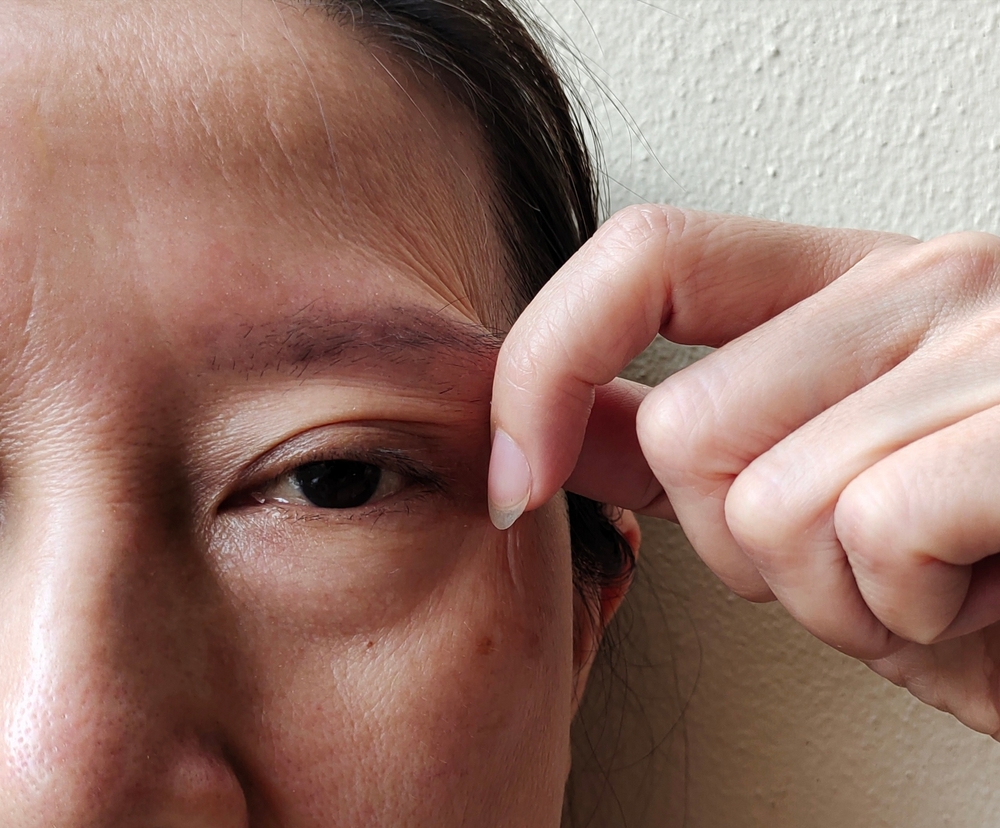
Before exploring ways to reduce upper eyelid fat, it is essential to distinguish whether the thickness is a permanent structural issue or merely temporary swelling. The key characteristics of structurally thick eyelids include:
- Abnormal puffiness or bulging eyelids, even without factors like crying or a lack of sleep.
- Hidden or poorly defined eyelid creases, caused by excess fat and skin tissue pressing down on the natural fold.
- Difficulty with makeup application, such as eyeshadow creasing, smudging, or becoming flaky shortly after application.
- A heavy sensation when opening the eyes, as if there is a weight pressing down, making it difficult to open the eyes fully.
- A chronically tired or "sleepy" appearance, where the eyes lack vibrance even after getting a full 7-8 hours of rest.
Distinguishing between “Sturctural Eyelid Thickness” and “Tempororary Swelling”
1.The primary factor to consider is the duration of the symptoms:
- Temporary Swelling (Edema) : Typically lasts between 1-3 days. It often occurs after waking up, crying, lack of sleep, or excessive salt intake. The swelling gradually subsides once the body flushes out excess fluids.
- Structural Eyelid Thickness: Characterized by persistent fullness, thickness, or drooping. This condition remains constant and does not resolve on its own, even after several weeks or months.
2.Physical Texture and Sensation :
- Temporary Swelling (Edema) : When pressed, the eyelid feels soft, spongy, or fluid-filled, indicating an accumulation of excess liquid beneath the skin.
- Structural Eyelid Thickness: When pressed, the area feels firm, dense, or resistant. This sensation is caused by actual fatty tissue deposits rather than fluid retention.
3. Location and Symmetry
- Temporary Swelling (Edema ): Typically occurs in both eyes simultaneously, especially upon waking up.
- Structural Eyelid Thickness: Often presents asymmetrically. For instance, one eyelid may appear thicker than the other, or the eyelid crease may be less defined on only one side.
4. Contributing Factors
- Temporary Swelling (Edema) : Often linked to lifestyle habits or external triggers, such as sleep deprivation, excessive sodium (salt) intake, alcohol consumption, or crying.
- Structural Eyelid Thickness: Primarily caused by underlying anatomical factors, such as fatty tissue accumulation under the eyelid, ptosis (droopy eyelid muscle), or sagging skin (dermatochalasis).
5. Recommended Solutions
- Temporary Swelling (Edema) : Symptoms can be improved through adequate rest, cold compresses, reducing sodium intake, and sleeping with the head elevated.
- Structural Eyelid Thickness: A professional evaluation by a specialized ophthalmologist is required. Depending on the diagnosis, surgical intervention may be necessary, such as eyelid fat removal or double eyelid surgery combined with ptosis correction to address underlying muscle weakness.
Causes of thick eyelids and excess upper eyelid fat?
Excess fat in the upper eyelid area can stem from various factors. The most common causes include:
- Genetics : Some individuals are naturally born with a higher volume of orbital fat. This results in eyelids that appear thick, making the eyes look smaller and perpetually tired, even at a young age.
- Aging and skin laxity : As we age, the skin loses its natural elasticity. Fat deposits that were once positioned higher begin to shift downward due to gravity, causing the eyelids to appear thicker and more saggy.
- Ptosis (Droopy Eyelid Muscle) : When the muscles responsible for lifting the eyelids do not function at full capacity, the forehead muscles often overcompensate to help open the eyes. This condition results in a heavy appearance and can partially obscure the pupil.
- Lifestyle Habits :
- Frequent and forceful eye rubbing, which can damage the delicate skin and tissues.
- Prolonged use of contact lenses, which may affect the eyelid muscles over time.
- Lack of sleep (sleep deprivation) and high sodium (salt) intake, leading to fluid retention and puffiness.
The impact of heavy and fatty upper eyelids
This issue goes beyond cosmetic appearance; it significantly affects various aspects of daily life, including:
1.A Tired and exhausted appearance (even after sufficient rest) excess fat and skin tissue on the upper eyelids create a downward pressure, causing the eyes to appear partially closed. This results in eyes that look less "open," lacking the brightness and vibrance of a refreshed look, often making the individual appear perpetually sleepy.
2.Difficulties with makeup and self-confidence thick eyelids with excess fat often obscure the natural eyelid crease, leading to what is commonly known as "hidden double eyelids." This makes eye makeup significantly more challenging to apply compared to those with a clearly defined crease, which can ultimately lead to a loss of self-confidence in one's overall appearance.
3.Eyes appear smaller and lack definition, when the upper eyelid becomes thick and partially covers the pupil, the eyes appear smaller than their actual size. This lack of depth becomes particularly noticeable in photos and videos, where the eyes may seem less prominent or "flat," ultimately diminishing the face's overall radiance and charm.
4.Impact on vision and quality of life for individuals experiencing eyelid drooping (ptosis) due to aging or muscle weakness, the excess skin may sag enough to obstruct the upper field of vision. This often forces the individual to constantly tilt their head back or lift their forehead to see clearly. Over time, this constant straining can lead to deep forehead wrinkles and negatively affect one's overall personality and facial expression.
5.Impact on personality and self-confidence, when the eyes appear perpetually tired, exhausted, or out of balance with other facial features, it can lead to a significant loss of confidence during social interactions. For individuals whose careers involve eye contact or appearing on camera, these concerns can affect their professional credibility and the "first impression" they leave on others.
Targeted solutions for excess upper eyelid fat?
While thick eyelids may seem like a minor cosmetic issue, they should not be overlooked. It is highly recommended to consult a specialist for targeted solutions, especially if you experience the following signs:
- Absence of an eyelid crease or "hidden" double eyelids, even after adequate rest and lifestyle adjustments.
- A persistent feeling of heavy eyelids, often leading to involuntary eyebrow lifting to assist with opening the eyes.
- Significant difficulty with makeup application, such as eyeshadow creasing or eyeliner disappearing into the fold when blinking.
- A perpetually tired or "droopy" appearance, which lacks vibrance and makes the overall face look exhausted, despite getting enough sleep.
Non-Surgical solutions for reducing upper eyelid fat
For individuals with mild concerns, such as slight puffiness or minor eyelid sagging, these simple self-care methods can effectively reduce swelling and help delay the progression of skin laxity.
1.Lifestyle adjustments
- Prioritize adequate sleep: Maintain a consistent sleep schedule and keep your head slightly elevated to prevent fluid accumulation around the eyes.
- Reduce sodium intake: Limit salty foods and high-sodium meals, as they are primary causes of puffiness and water retention.
- Avoid rubbing your eyes: Refrain from rubbing your eyes forcefully, as this can damage the delicate skin and accelerate premature sagging.
2.Cold and Warm Compresses
- Apply a cold compress in the morning: This helps constrict blood vessels to reduce puffiness and alleviate eyelid tension.
- Use a warm compress occasionally: This stimulates blood circulation and promotes tissue relaxation for a more refreshed appearance.
3.Targeted skincare and sun protection
Apply specialized eye creams and sunscreen to maintain hydration, enhance elasticity, and delay the progression of skin laxity.
4.Eye lifting treaments
Thermage eye is a highly effective non-invasive option. It utilizes Radio Frequency (RF) energy to deliver deep heat into the collagen layers, stimulating the production of new collagen. This results in firmer skin, a reduction in eyelid sagging, and smoother crow's feet. The procedure is safe, requires no downtime, and is ideal for individuals with visible wrinkles and noticeable skin laxity.
Surgical solutions for upper eyelied fat reduction
For those seeking more permanent and definitive results, surgical intervention is the most effective approach, especially for individuals with significant eyelid thickness, excess fat, or pronounced sagging.
- Double Eyelid Surgery (Blepharoplasty) : This procedure is ideal for individuals with "hidden" double eyelids caused by excess fat. The surgeon will meticulously design a new eyelid crease tailored to your facial structure while removing surplus fatty tissue. This results in a more defined appearance and alleviates the heavy sensation in the eyelids post-surgery.
- Ptosis Repair Surgery : This specialized surgery effectively addresses thick, drooping eyelids that cause a perpetually tired or "sleepy" look. It also restores a full field of vision by strengthening the weakened eyelid muscles, improving both aesthetics and visual functionality.
If you are seeking professional evaluation and targeted solutions for thick eyelids, excess fat, or drooping skin, Bangkok Eye Aesthetics (BEA Clinic) is here to help.
Our clinic provides expert care by Dr. Jirat Jetchayanan, a specialized ophthalmologist and oculoplastic surgeon with extensive experience. We utilize personalized surgical techniques designed to harmonize with each individual’s unique eye and facial structure. Whether you require double eyelid surgery or ptosis correction, we are meticulous in every step to ensure optimal and natural-looking results.
Schedule a complimentary consultation with our specialist today:
- LINE Official: @beaclinic
- Tel: 064-196-3635
References :
- Heavy Eyelids. Retrieved on January 20, 2026, from https://www.healthline.com/health/heavy-eyelids
Frequently asked questions(FAQs) about heavy eyelids?
Q: Can heavy eyelids occur at a young age?
A: Yes. Especially in individuals with a genetic predisposition to excess orbital fat. Even at a younger age, the eyelids can appear heavy and the natural crease may be poorly defined.
Q: What is the difference between "heavy eyelids" and "droopy eyelids" (Ptosis)?
A: "Heavy eyelids" are typically caused by an accumulation of excess fat and thick skin tissue. In contrast, "droopy eyelids" (Ptosis) are usually related to skin laxity or weakened eyelid muscles.
Q3: How long do the results of surgical fat reduction last?
A: The longevity of the results depends primarily on the individual’s eye structure, the severity of the initial concern, and post-operative self-care.
Q: Do heavy eyelids directly affect vision?
A: Yes, they can. If there is significant fat accumulation, the upper eyelid may sag and obstruct the superior field of vision, which can also lead to eye strain and fatigue.