
How to fix droopy eyelids : Treatment & Care
23 Nov 2026


doctor-image-202507185103425.webp)
Writer
Dr.Jirach Jatechayanon (MD,MSc)
History
- Bachelor of Medicine, Faculty of Medicine, Rangsit University
- Board Certification in Ophthalmology, Faculty of Medicine, Khon Kaen University
- Certificate of Advanced training in double eyelid surgery under the guidance of a Dr. Cheangariyavong, Facial Plastic and Reconstructive Surgeon
- Certificate of Advanced training in double eyelid surgery through the International Fellowship in Advanced Aesthetic Science program (IFAAS), South Korea
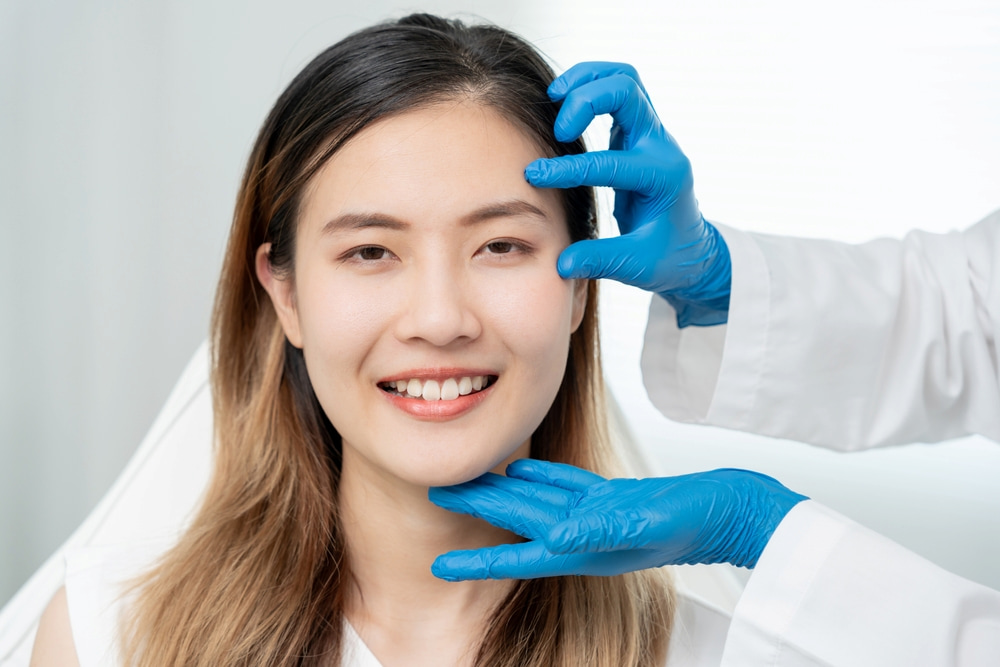
How to Fix Droopy eyelids & Sad-Looking Eyes
Key Takeaways:
Droopy eyelids aren't caused by aging alone; they can also result from eyelid muscle weakness or daily habits like rubbing your eyes and prolonged screen time. Over time, this condition can significantly impact your vision. While early self-care involves modifying daily habits to protect the eyes, consulting an ophthalmologist becomes necessary when sagging starts blocking your field of view. Options range from non-invasive skin tightening to structural surgery, which yield varying longevity based on the chosen technique and individual factors.
Many people assume that having a droopy eyelid is simply a natural part of aging caused by sagging facial skin. However, this issue stems from several underlying factors and impacts daily life far more than most realize.
Initially, you might notice that your eyes appear tired or less vibrant. As the condition progresses, sagging skin gradually obscures the pupil, narrowing your visual field without you realizing it. Activities like reading, driving, or working at a computer require extra strain, which often leads to eye fatigue and aching muscles around the ocular area. Understanding the root factors and identifying effective solutions can help restore both your sight and youthful appearance.
What Causes Droopy Eyelids?
When noticing changes around the eye area, many people wonder about the primary causes of loose eyelid conditions. While age plays a role, several key factors contribute to this issue:
1. Natural Aging Process
This is the most common reason. As time passes, the structural integrity of skin, collagen, and elastin across the upper face, forehead, and upper lids gradually weakens, causing previously firm tissue to drop down over the natural crease.
2. Eyelid Muscle Weakness (Ptosis)
Drooping Eyelid (Ptosis) occurs when the levator muscle responsible for raising the upper lid fails to function properly. This structural issue prevents the eye from opening fully and can affect individuals of any age group, not just older adults.
3. Daily Habits and Lifestyle Factors
Routine behaviors play a significant role. Aggressive eye rubbing, long-term contact lens wear that stretches the tissues, or extended screen time leading to dry eyes and heavy blinking all act as direct triggers.
4. Congenital Myasthenic Syndrome (CMS)
This condition stems from underdeveloped levator muscles during fetal growth. Because the tissue does not fully develop, children are born with low-hanging upper lids. Left unaddressed, it can interfere with visual development and potentially trigger lazy eye (amblyopia).
Initial Self-Care Recommendations
For early or mild symptoms, lifestyle changes can help preserve the delicate tissues and muscles around the eyes:
- Avoid rubbing your eyes: Pressing or dragging forcefully damages delicate skin layers, which can stretch the underlying tendons and worsen saggy lids.
- Clean the eye area gently: When removing makeup, hold a soaked cotton pad against the lid for a few moments to dissolve products, then gently sweep outward without pulling or scrubbing.
- Practice eye exercises: Consciously open your eyes wide without raising your eyebrows to activate upper lid muscles rather than relying on forehead tissues.
- Limit screen strain: Take regular visual breaks from digital devices and get sufficient rest to reduce puffiness and strain around the upper face.
Medical Treatment Options
When lifestyle adjustments are insufficient and you need to know how to fix droopy eyelids effectively, seeking a detailed evaluation from an experienced ophthalmologist is the recommended next step. Current clinical options include:
1. Non-Surgical Treatments
For mild skin sagging, experts may recommend energy-based skin tightening devices to stimulate natural collagen production around the eyes. Results will depend on each individual's skin response.
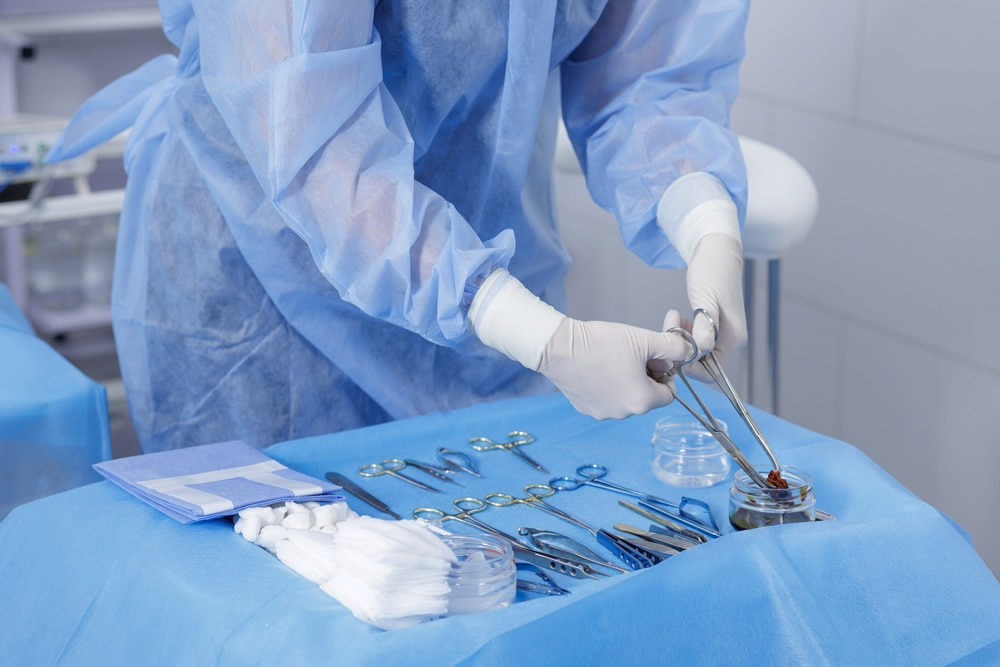
2. Surgical Solutions
When sagging skin obstructs vision or occurs in conjunction with dysfunction of the levator muscles, surgical correction can address deeper underlying structural issues.
How Long Do Droopy Eyelid Treatments Last?
Results vary according to the technique selected, practitioner expertise, personal structural factors, and natural aging processes. Non-surgical energy devices offer temporary improvements aligned with the body's collagen cycle. Conversely, surgical corrections provide longer-lasting structural support, influenced by post-procedure care and individual health conditions.
Tired-looking eyes and obstructed vision are manageable once clear causes are identified. Observing routine habits is a helpful starting point, but structural issues or weakened muscles benefit most from professional medical assessment.
Restore Your Vision and Appearance at Bangkok Eye Aesthetics (BEA Clinic)
If drooping eyelids affect your vision or appearance, professional assessment can help outline the right approach. BEA Clinic in Asoke offers specialized eye care led by Dr. Jirach Jatechayanon, an oculoplastic specialist. Each patient receives an individualized plan along with dedicated follow-up care to support optimal visual clarity and refreshed aesthetics.
If you are considering personalized eyelid surgery in Bangkok, schedule a consultation with our specialist via LINE Official: @beaclinic or call 064-196-3635
References
- Ptosis: causes, presentation, and management. Retrieved July 16, 2026, from https://pubmed.ncbi.nlm.nih.gov/12925861/
- How ptosis affects the visual quality: an overview of visual quality impairments and contributing factors in ptotic eyes. Retrieved July 16, 2026, from https://pubmed.ncbi.nlm.nih.gov/40085308/
- Impact of blepharoptosis surgery on vision-related quality of life and its correlation with contrast sensitivity changes. Retrieved July 16, 2026, from https://pubmed.ncbi.nlm.nih.gov/40343557/
Frequently Asked Questions about Droopy Eyelids (FAQs)
Q: How does a simple saggy lid differ from clinical ptosis?
A: General upper lid sagging typically involves outer skin and fat descent associated with aging. In contrast, clinical ptosis stems from weakness in the deeper levator muscle, which limits how far the lid can open. An ophthalmologist can perform a detailed checkup to determine the specific cause.
Q: How long is the recovery period after upper lid surgery?
A: Initial healing usually takes about 1-2 weeks, during which temporary swelling or mild bruising may occur before resolving naturally. Total recovery time varies based on individual healing rates, surgical techniques, and proper post-care maintenance.
Q: Can regular eye creams correct severe drooping issues?
A: Topicals effectively hydrate tissue, reduce dryness, and soften fine lines. However, creams cannot alter deeper structural layers or restore underlying muscle function.
Q: Can individuals with pre-existing health conditions undergo treatment?
A: Yes, in many instances. Candidates should share their complete medical history, existing health conditions, allergies, and current medications or supplements with their physician prior to treatment to ensure safety throughout the procedure.