
What Double Eyelid Surgery Can Help With and Who It Suits
23 Nov 2026


doctor-image-202507185103425.webp)
Writer
Dr.Jirach Jatechayanon (MD,MSc)
History
- Bachelor of Medicine, Faculty of Medicine, Rangsit University
- Board Certification in Ophthalmology, Faculty of Medicine, Khon Kaen University
- Certificate of Advanced training in double eyelid surgery under the guidance of a Dr. Cheangariyavong, Facial Plastic and Reconstructive Surgeon
- Certificate of Advanced training in double eyelid surgery through the International Fellowship in Advanced Aesthetic Science program (IFAAS), South Korea
Eye Concerns Double Eyelid Surgery Can Fix & Who Is It For?
Key Takeaways:
Double eyelid surgery is not only related to appearance, but also to eyelid structure, excess skin, eyelid fat, and the lifting function of the eyelid muscles. Common signs that may require an assessment include droopy eyelids that hide the eyelid crease, visibly uneven eyelids, eyelids partially obstructing vision, or sleepy-looking eyes that cannot open fully. Different eye characteristics may be suitable for different double eyelid surgery techniques, and in some cases, droopy eyelids, lateral eyelid sagging, or weak eyelid muscles should also be evaluated before planning treatment.
Many people become interested in double eyelid surgery for appearance-related reasons, such as feeling that their eyelid crease is not clearly visible, that their eyes look uneven, or that applying eye makeup is more difficult than they would like. However, in some cases, eyelid crease and upper eyelid concerns may not be related to appearance alone. They may also involve the ability to open the eyes, visual function, or the need for the muscles around the eyes to work harder than usual.
Therefore, the question of when to get double eyelid surgery, or who is a good candidate for double eyelid surgery, should be considered based on several factors. These include eyelid structure, eyelid thickness, the amount of excess skin, eye symmetry, and other possible underlying conditions such as droopy eyelids or weak eyelid muscles. A medical assessment can help identify the underlying cause of the concern and guide a treatment approach that is more suitable for each person’s eyes.
What Is Double Eyelid Surgery, and What Concerns Can It Help Address?
Double eyelid surgery is a procedure that adjusts the structure of the upper eyelid to create or refine an eyelid crease that is clearer and more suitable for each person’s natural eye shape. It is not only about adding an eyelid fold, but may also involve managing excess skin, fat around the eyelid, and the balance between the two eyelids.
From a medical perspective, planning double eyelid surgery should begin with an analysis of the actual concern. For example, the eyelid crease may be hidden because of sagging skin, the eyelids may look uneven due to the original eyelid structure, or the eyes may appear sleepy because of an imbalance in eyelid muscle function. If the assessment is incomplete, the selected treatment technique may not match the true cause of the problem.
The key point is that everyone's eye structure is different, including the thickness of the eyelid skin, the amount of fat, the skin elasticity, and the distance between the eyebrow and the eye. Therefore, one should not select a surgical technique based solely on reviews or sample photos; instead, a doctor should assess which method is best suited to the specific issues and anatomical constraints of each individual's eyelids.
When to Get Double Eyelid Surgery?
If you are wondering when to get double eyelid surgery, or what signs should be checked before visiting an ophthalmologist, you may start by observing the following symptoms. These are common concerns seen among people who seek consultation for upper eyelid and eyelid crease issues.
Droopy Skin That Hides the Eyelid Crease
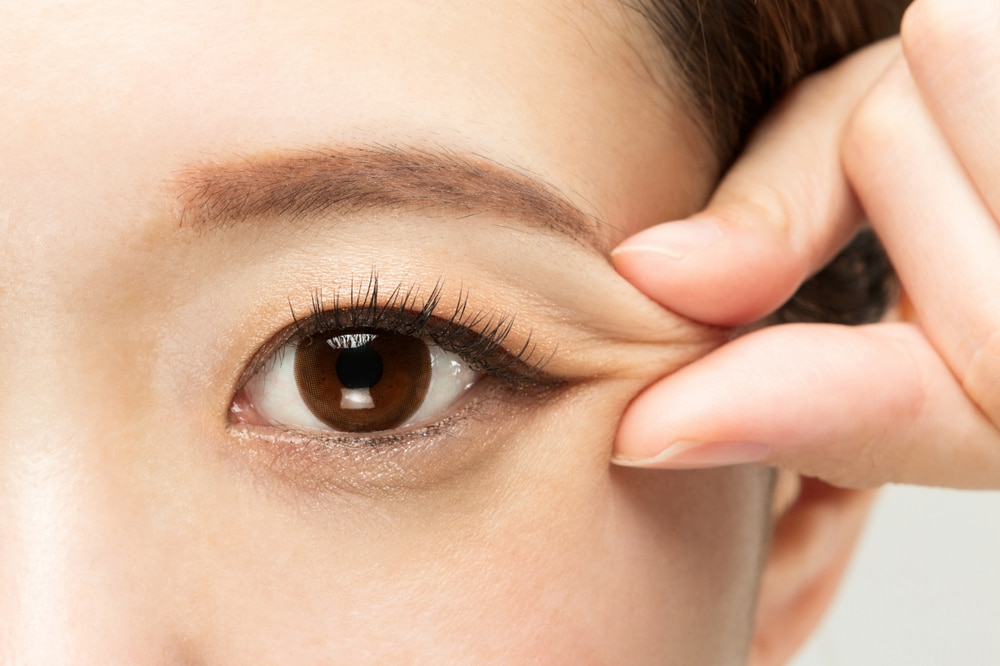
Droopy upper eyelid skin that hides the eyelid crease refers to a condition where the upper eyelid skin falls over the crease line, making the crease unclear, making the eyes appear like monolids, or making the eyes look smaller than usual. This concern is more commonly seen with age as the skin loses elasticity, but it can also occur in people who naturally have relatively thick upper eyelid skin.
For most people, an eyelid crease may already exist, but excess skin covers it and makes it difficult to see. In this group, double eyelid surgery involves more than just creating a new crease; It is necessary to assess the amount of excess skin so that the doctor can choose the technique that is appropriate for the degree of eyelid sagging.
Noticeably Uneven Eyelids
Some people have a clear eyelid crease on one side, while the other side has a hidden crease, or the height of the eyelid crease differs noticeably between the two eyes. This may be caused by the nature of their eyelid structure, unequal fat volume around the eyelids, or an imbalance in the lifting function of the eyelid muscles on each side.
Double eyelid surgery may help improve eyelid symmetry in some cases. However, if the cause is related to weak eyelid muscles, creating an eyelid crease alone may not address the entire concern. A detailed medical assessment is therefore important to determine whether the problem comes from the eyelid crease, excess skin, or muscle function.
Eyelid Skin Partially Obstructing Vision
If the upper eyelid droops over the eye to the point where you feel the need to raise your eyebrows to open your eyes wider, or use your forehead muscles to help you see more clearly, this may be a sign that the eyelid concern is beginning to affect daily visual function.
People in this group should receive a detailed assessment because the problem may involve excess skin, droopy eyelids, or weak eyelid muscles at the same time. Planning the procedure should therefore consider more than the visibility of the eyelid crease. It should also evaluate whether any factor is affecting eye opening and vision.
Difficulty Applying Eye Makeup Due to Hidden or Overlapping Eyelid Creases
Another common concern is difficulty applying eye makeup. For example, eyeliner may disappear when the eyes are open, eyelid folds may cover makeup, or the eyelids may be easily swollen. These concerns are often related to hidden eyelid creases, thicker eyelid skin, or multiple overlapping folds.
Although people in this group often want a clearer eyelid crease, the crease design should still match the natural eye shape. It should not be too high or too thick from the original structure, as an eyelid crease that does not suit the eye shape may make the face look less balanced or less natural.
Who Is a Good Candidate for Double Eyelid Surgery?
In addition to symptoms that can be observed in daily life, the original eye shape is another important factor when assessing who is a good candidate for double eyelid surgery. Common eye characteristics include the following.
Monolids or Hidden Eyelid Creases
People with monolids or hidden eyelid creases often do not have a clearly visible eyelid fold, or they may have a fold that is covered by upper eyelid skin. People in this group may be suitable for an assessment to design a new eyelid crease, with the doctor considering skin thickness, eyelid fat volume, and the overall harmony of the eye shape in relation to their facial structure.
However, not everyone with monolids needs double eyelid surgery. If there is no concern related to vision or daily eye function, the decision depends on personal preference together with a medical evaluation.
Thick Eyelids or a Higher Amount of Excess Eyelid Fat
People with thick eyelids or excess skin around the eyes may have eyelid creases that do not look clearly defined. If surgery is planned without a detailed assessment of these factors, the approach may not address the concern effectively.
For this group, the doctor usually needs to evaluate how much excess skin is present, along with the position of any excess skin. This helps in selecting a technique that can manage the eyelid structure appropriately and create a crease line that is in harmony with the original eye shape.
Drooping Outer Corners or Age-Related Eyelid Sagging
Drooping outer eyelids or age-related upper eyelid sagging can make the eyes look tired or make the outer corners of the eyes appear to droop. This concern can occur across different age groups and ethnicity but it tends to become more noticeable as the skin around the eyes begins to sag with age.
In some cases, treatment may involve upper blepharoplasty together with management of excess skin. In other cases, additional procedures may need to be considered, such as lifting the outer eyelid area or removing excess skin beneath the eyebrow. The suitable approach depends on the location of the sagging and the structure of the upper face.
Sleepy-Looking Eyes or Eyes That Cannot Open Fully
Sleepy-looking eyes, droopy-looking eyes, or eyes that cannot open fully are not always caused by the eyelid crease alone. They may be related to weak eyelid muscles, which cause the upper eyelid to lift less than usual.
If you have difficulty opening your eyes, frequently need to raise your eyebrows, or feel that your eyes still look sleepy even after adequate rest, an ophthalmologist should evaluate the underlying cause in detail. In some cases, treatment for weak eyelid muscles may need to be planned together with eyelid crease design to address the actual problem.
Not Everyone Needs Double Eyelid Surgery
Although double eyelid surgery is one of the procedures many people think of when they have eyelid crease concerns, not everyone should undergo double eyelid surgery immediately. Some people may already have eyelid creases, but the main issue may be excess skin, drooping outer eyelids, brow descent, or weak eyelid muscles.
In some cases, double eyelid surgery alone may not fully address the concern. For example, a person with drooping eyebrows may have forehead and eyebrow skin pressing down on the upper eyelids, while someone with weak eyelid muscles may not be able to open the eyes fully. Treatment may require a broader assessment of the structures around the eyes, rather than focusing only on the eyelid crease.
How to Choose the Right Double Eyelid Surgery Technique for Your Concern
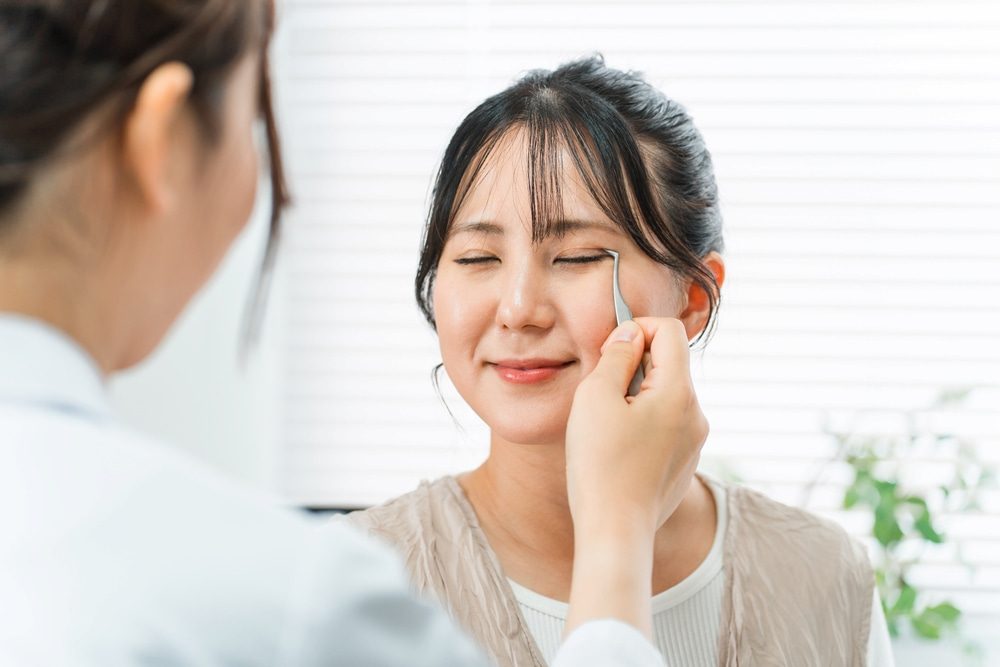
There are several double eyelid surgery techniques, and each technique is suitable for different eye characteristics. The choice of technique should therefore be based on eyelid structure, the amount of excess skin, eyelid fat, age, and the patient’s goals.
Short-Incision Technique
The short-incision technique may be suitable for people who do not have significant excess eyelid skin or eyelid fat but want to refine the eyelid crease. This technique involves a shorter incision than the full-incision technique, and the doctor will consider the incision position and crease line based on the person’s original eye shape.
However, this technique is not suitable for everyone, especially people with a large amount of excess skin or thick eyelids. In these cases, a technique that can manage more excess skin may be more appropriate.
Incision Technique
The full-incision technique is often suitable for people with excess upper eyelid skin, relatively thick eyelids, or more noticeable sagging of the upper eyelid skin. One advantage of this technique is that it allows greater management of excess skin and eyelid fat compared with the short-incision technique.
However, recovery time and wound care may differ from other techniques. People who are suitable for this approach should receive detailed aftercare guidance and understand that swelling and the appearance of the eyelid crease will gradually change as the wound heals.
Non-Incision or Stitch Technique
The non-incision or stitch technique uses small points along the eyelid crease line for suture placement. It may be suitable for younger people with thinner eyelid skin and minimal excess upper eyelid skin.
One important consideration is that this technique may not be suitable for people with droopy eyelid skin, thick eyelids, or a large amount of eyelid fat, as the eyelid structure may affect the long-term clarity of the eyelid crease. The choice of technique should therefore be based on an actual assessment, not only on preference for a smaller wound.
What Should You Prepare and Discuss With Your Doctor Before Double Eyelid Surgery?
Before deciding on double eyelid surgery, it is important to prepare your health information and questions for the doctor. This allows the doctor to assess your eye structure and plan more thoroughly. Key points to prepare and discuss include the following:
- Inform the doctor about your medical history, regular medications, drug allergies, and any previous surgery around the eyes.
- Inform the doctor about eye-related concerns such as dry eyes, burning or easily irritated eyes, regular contact lens use, or any eye disease that has been diagnosed before.
- Observe symptoms that affect daily life, such as eyelids obstructing vision, frequent eyebrow lifting, uneven eyelids, or the feeling that the eyes cannot open fully.
- Bring reference photos of eyelid shapes you like to support the discussion, so the doctor can assess whether they are suitable for your original eye structure and face.
- Ask which double eyelid surgery technique may be suitable for your concern, such as the short-incision, full-incision, or stitch technique, including the limitations of each approach.
- Understand the estimated recovery period, wound care after double eyelid surgery, post-procedure precautions, and abnormal symptoms that should be assessed by the doctor.
- Plan your recovery period appropriately, especially if you need to work, use your eyes for long hours, apply makeup regularly, or have important activities soon after surgery.
Double Eyelid Surgery With an Ophthalmologist at Bangkok Eye Aesthetics
If you have hidden eyelid creases, sagging upper eyelid skin, uneven eyelids, or symptoms that make you unsure whether your eye characteristics are suitable for double eyelid surgery, an assessment by an ophthalmologist can help identify the cause more clearly and guide an approach that suits your individual eye structure.
Bangkok Eye Aesthetics is an eyelid surgery clinic that provides double eyelid surgery with a focus on detailed assessment and eyelid crease design that aligns with each person’s concerns and natural eye shape. This helps support a more careful and appropriate decision-making process for each patient.
Each case is managed by Jirach Jatechayanon, M.D., an ophthalmologist with experience in periocular surgery. To schedule a consultation, contact LINE Official @beaclinic or call 064-196-3635
References
- Asian Upper Blepharoplasty: A Comprehensive Approach. Retrieved July 16, 2026, from https://pubmed.ncbi.nlm.nih.gov/36396248/
- Effects of upper lid blepharoplasty on visual quality in patients with lash ptosis and dermatochalasis. Retrieved July 16, 2026, from https://pmc.ncbi.nlm.nih.gov/articles/PMC5028669/
- Am I a Good Candidate for Double Eyelid Surgery?. Retrieved July 16, 2026, from https://www.eyelidmd.com/blog/cosmetic-eyelid-surgery/am-i-a-good-candidate-for-double-eyelid-surgery/
Frequently Asked Questions About Double Eyelid Surgery (FAQs)
Q: Is double eyelid surgery suitable for men?
A: Men can also consider double eyelid surgery. However, eyelid crease design for men may differ from that for women, as many male patients prefer a crease that still looks consistent with their natural facial structure and is not overly defined. The doctor should assess the eye shape, eyelid thickness, and overall facial features before planning the procedure.
Q: If I have dry eyes or wear contact lenses, should I tell the doctor before double eyelid surgery?
A: Yes. You should always inform the doctor, as dry eyes, contact lens use, or corneal surface conditions may affect the assessment and aftercare plan. The doctor will consider whether additional preparation or individual precautions are needed.
Q: Does double eyelid surgery require local anesthesia or general anesthesia?
A: In general, double eyelid surgery is often performed under local anesthesia, and anti-anxiety medication may be provided depending on the doctor’s judgment. Patients should ask about the details before the procedure to understand the steps, expected duration, and proper aftercare.
Q: How many days should I take off after double eyelid surgery?
A: Recovery time depends on the technique used, skin condition, swelling or bruising, and each person’s aftercare. In general, patients should plan to avoid heavy eye use, intense exercise, or eye makeup in the early recovery period, following the doctor’s instructions.
Q: If I consult a doctor, do I have to get double eyelid surgery right away?
A: Not always. A consultation is a step to assess the cause of the concern and understand suitable options. If the doctor determines that surgery is not yet necessary or that another concern should be addressed first, the treatment plan can be adjusted according to each person’s condition.