
Under-Eye Bags for youthful-looking eyes
Removing or redistributing the excess fat appropriately
The accumulation of excess fat in the lower eyelid is a common condition, particularly among aging patients. This can result in a tired, aged appearance and a loss of facial brightness. In cases where skin laxity is also present, it may contribute to functional concerns, including dry eyes or watery eyes.
Lower Eyelid External Incision Surgery is an effective approach to address these concerns. The procedure allows for precise removal or repositioning of excess fat while simultaneously tightening redundant skin, leading to both aesthetic improvement and potential functional benefits.
Causes of Under-Eye Bags
Under-eye bags (Lower Eyebags) refer to bulging or puffiness beneath the eyes, which occurs due to a combination of factors. The three main causes are as follows:
1. Aging and Degradation of Tissue Around the Eyes
This is the primary cause seen in people aged 40-60. It results from natural changes in the skin and fat layers around the eyes, leading to permanent under-eye bags that cannot be fixed by simple methods like massaging or using eye creams.
2. Genetics
Some individuals may have a predisposition to under-eye bags from a young age, with a tendency for fat to accumulate under the eyes earlier than normal. If combined with poor lifestyle habits, this genetic trait can cause under-eye bags to appear sooner than expected.
3. Daily Lifestyle Factors
Besides age and genetics, lifestyle choices also play a significant role in the development of under-eye bags. These include:
- Lack of sleep or poor rest leads to poor lymphatic circulation around the eyes and fluid retention.
- Excessive salt intake causes the body to retain sodium, resulting in swelling under the eyes.
- Frequent eye strain or rubbing can cause inflammation and rapid degradation of the skin.
- Smoking and alcohol consumption accelerate collagen breakdown and blood circulation issues.
- Allergies or chronic sinus problems can lead to fluid buildup or inflammation around the eyes, temporarily worsening under-eye puffiness
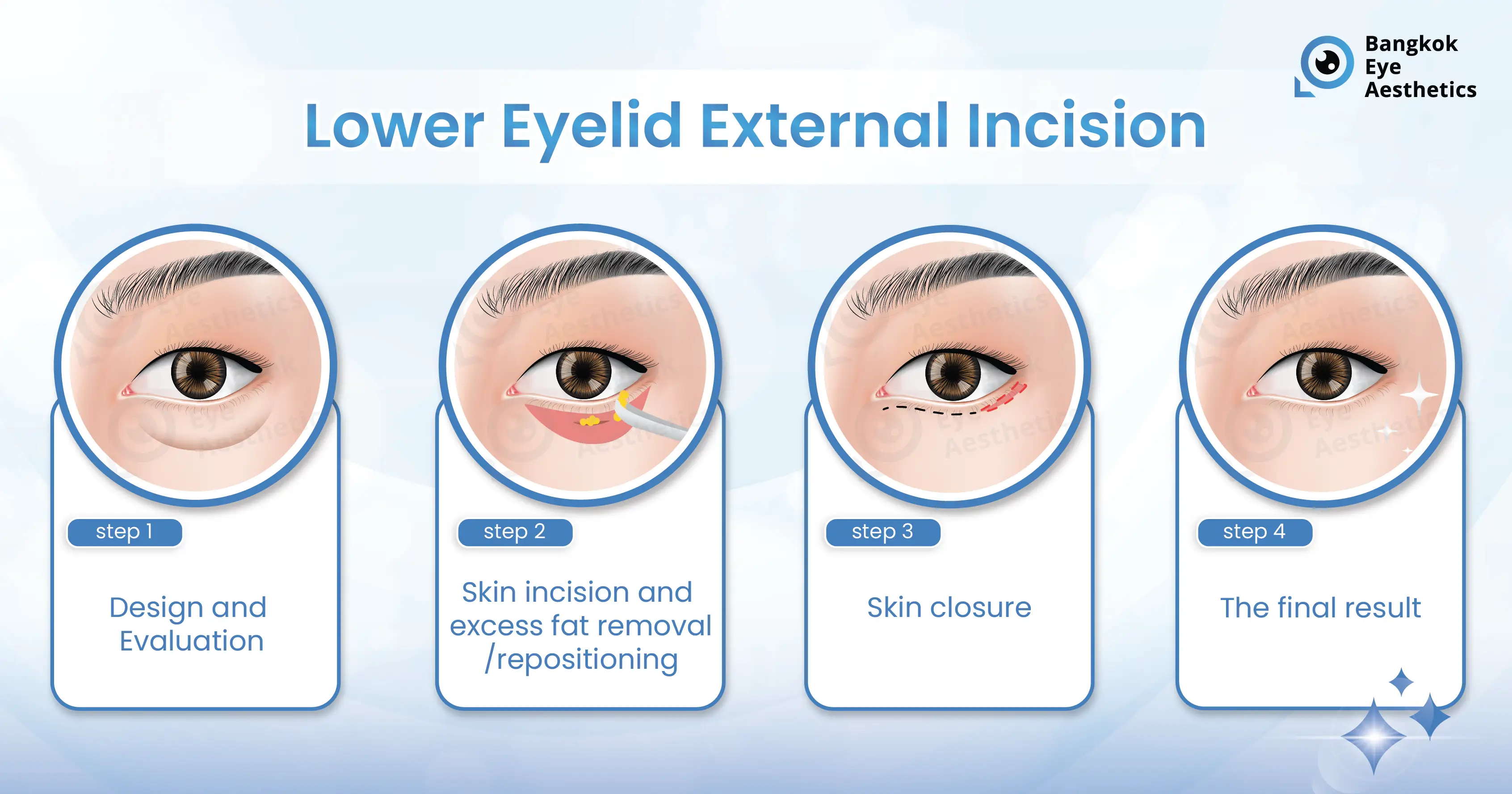
Lower Eyelid External Incision Surgery Technique at Bangkok Eye Aesthetics (BEA Clinic)
Lower eyelid surgery (lower blepharoplasty) is performed to correct under-eye bags and puffiness that can cause the eyes and overall facial appearance to look tired and less vibrant. This procedure utilizes an external-incision technique to address the concern directly. Under-eye bags commonly result from fat accumulation or displacement beneath the lower eyelid and are frequently observed with advancing age. If left untreated, the condition may lead to progressive skin wrinkling and laxity in the lower eyelid area.
Who is Suitable for Under-Eye Bag Surgery?
Under-eye bag surgery is generally suitable for anyone experiencing the following concerns:
- Puffiness or bulging fat under the eyes that makes you look tired and aged.
- Uneven under-eye bags between the two eyes.
- Drooping lower eyelids or sagging skin due to aging.
Steps for Under-Eye Bag Surgery
At BEA Clinic, the external incision technique and the internal incision technique involves the following specific details and procedures:
External Incision Technique
The external incision technique involves making a small incision along the lower lash line to remove excess fat and sagging skin. This method is suitable for individuals who have both fat accumulation and skin sagging beneath the eyes, typically seen in those aged 45 and above. The steps include:
- Assessing the amount of fat and skin sagging beneath the eyes.
- Marking the incision line along the lower lash line to ensure the scar remains hidden.
- Making an incision through the skin and muscle layer.
- Removing or redistributing the excess fat appropriately.
- If necessary, trim excess skin.
- Closing the incision with fine sutures to align with the natural lash line.
Preparing for Under-Eye Bag Surgery
Proper preparation is crucial to ensure a smooth, safe surgery and minimize the risk of complications. Please follow these guidelines:
- Inform the doctor of your full medical history, including any pre-existing conditions, medications, allergies, and previous surgeries.
- Discontinue certain medications and supplements, such as blood thinners or fish oil, at least 1 week before surgery to prevent excessive bleeding during the procedure.
- Rest well for 2-3 days before surgery and avoid prolonged eye strain.
- Stay hydrated, reduce salt intake, and avoid alcohol and smoking to minimize swelling after surgery.
Post-Surgery Care for Under-Eye Bag Surgery
As previously mentioned, lower blepharoplasty using the external-incision technique may be recommended for certain patients. In cases where there is significant lower eyelid skin laxity, removal of excess skin may be necessary. This can result in a small incision line along the lower lash margin. Cold compresses are advised during the first 48 hours to help reduce swelling. With proper wound care, avoidance of unnecessary contact, and adherence to the surgeon’s postoperative instructions, the incision typically heals well and gradually fades over time.
Post-surgery, some discomfort, swelling, and bruising around the eyes are expected, particularly within the first 1-3 days. However, with proper medication and aftercare, these side effects should resolve on their own, and the final results will become clear within 3-6 months, depending on the individual
Potential complications are rare, but should you experience any of the following, seek medical attention immediately:
- Severe hollowing or deep under-eye indentations.
- Numbness around the surgical site.
- Abnormal bleeding from the incision.
- Infection at the incision site.
Meet Our Ophthalmologist Dr.Jirach Jatechayanon
Dr.Jirach Jatechayanon is a skilled ophthalmologist specializing in eyelid surgery and reconstructive eye procedures. He has extensive experience in ptosis repair, double eyelid surgery, and eyelid skin treatments.
- Bachelor of Medicine, Rangsit University
- Board Certification in Ophthalmology, Khon Kaen University
- Certificate of Advanced Training in Double Eyelid Surgery under the guidance of Dr. Cheangariyavong, Facial Plastic and Reconstructive Surgeon
- Certificate of Advanced Training in Double Eyelid Surgery through the International Fellowship in Advanced Aesthetic Science program (IFAAS), South Korea
- Certificate of Practical blepharoplasty course from EIMEC : Escuela Internacional de Medicina Estética y Cirugía Institute, Spain


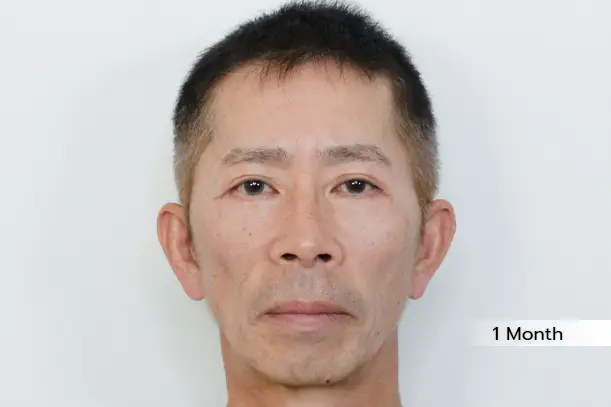
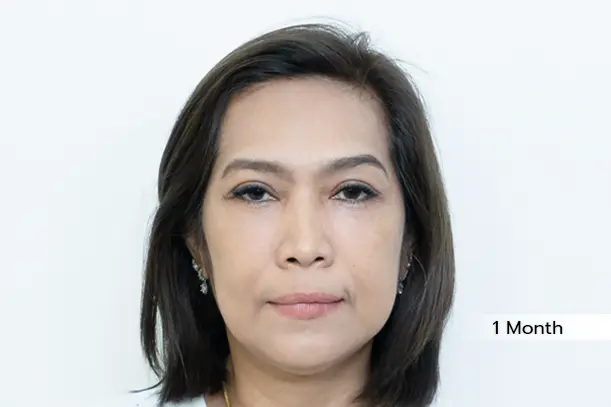
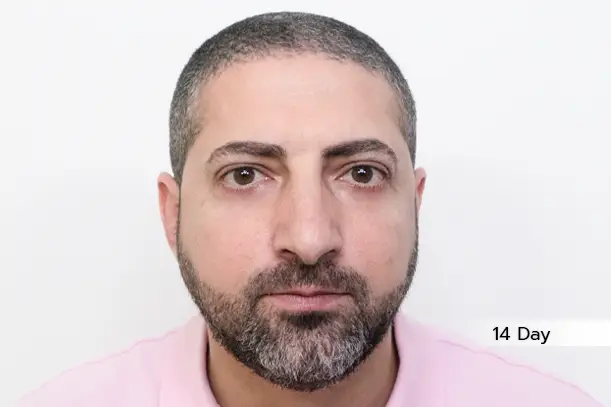
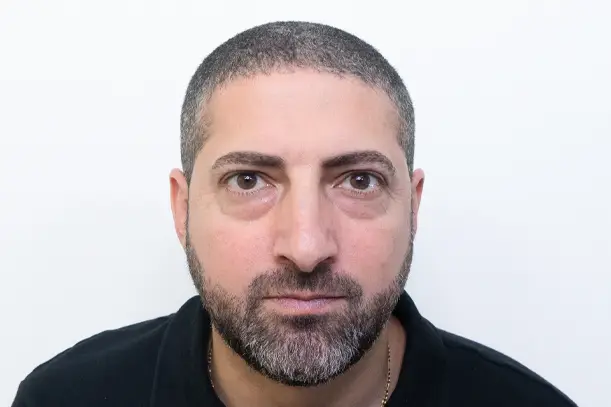
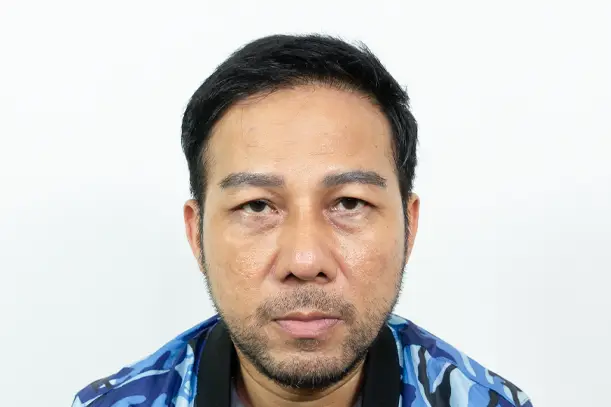
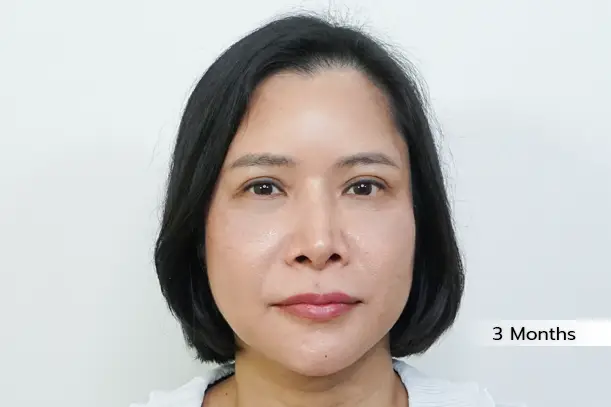
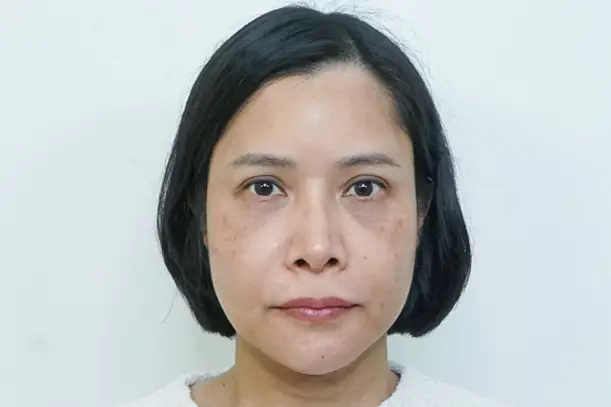
Before & After
Results may vary for each individual.





Request for Surgical Recommendation
Bangkok Eye Aesthetics : Your destination for eyelid surgery by a highly-skilled board-certified eye surgeon
Request Free Consultation